Henry Ruvist: A Condensed Font with Elegant Touch for Branding
I was working on a brand identity project for a boutique skincare line the other day, and I found myself staring at a blank brand board. The challenge was to create something that felt modern yet approachable, luxurious but not too serious. That’s when I decided to test out Henry Ruvist — a condensed font with an elegant touch. It didn’t take long for me to realize this typeface had the right balance of sophistication and versatility.
Elegant Simplicity in Every Curve
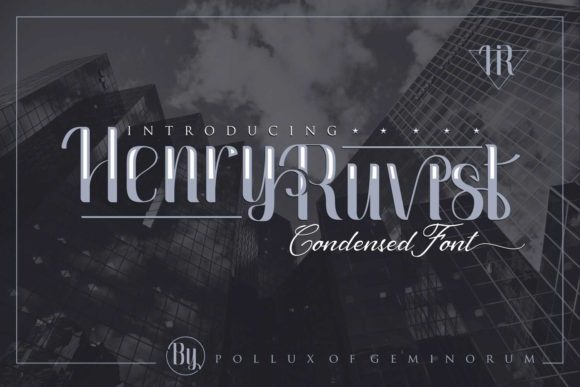
Henry Ruvist is a display font that feels refined without being overly ornate. Its condensed structure makes it ideal for projects where space is limited but visual impact is key. The curves are smooth and deliberate, giving it a softness that works well for lifestyle brands or creative studios looking for a touch of elegance.
The letterforms have a subtle weight variation that adds depth without making the text feel heavy. This makes it especially effective for logos, product labels, and packaging mockups. I tested it on a logo concept for the skincare brand, and the result was clean and memorable. It had enough character to stand out but wasn’t so bold that it overwhelmed the brand’s message.
Real-World Testing: From Logos to Social Media
I used Henry Ruvist across several branding elements — from the main logo to social media posts and even a website header. On a printed business card, the font maintained its clarity and elegance, which is always a plus for professional first impressions.
On a packaging mockup, it looked stunning next to minimalist illustrations and muted color palettes. It added just the right amount of sophistication without clashing with the overall design. For digital use, I placed it on a homepage hero section, and it performed well even at smaller sizes, though I’d avoid using it for long paragraphs of body text due to its condensed nature.
When I paired it with a serif font for a brochure layout, the contrast worked beautifully. The serif provided a traditional, trustworthy feel while Henry Ruvist brought in a modern edge. This kind of font pairing can be useful for editorial design or commercial design assets that need both formality and flair.
When to Use and When to Avoid
Henry Ruvist shines in short phrases and headlines, making it perfect for logo design, t-shirt printing, sport designs, and more. However, it may not be the best choice for small body text or formal corporate documents where readability is paramount. Its condensed structure can become difficult to read in long blocks, especially at smaller sizes.
For branding projects that require a touch of personality, Henry Ruvist is a strong contender. It works particularly well for creative industries like handmade shops, bakeries, or cafes looking to establish a warm and inviting brand identity. But if your brand needs a more traditional or highly legible font for extended reading, you might want to consider alternatives.
Practical Tips for Using Henry Ruvist
If you’re considering Henry Ruvist for a client project, I recommend testing it in different contexts before finalizing any designs. Try it on a brand board, a packaging label, or even a social media post to see how it interacts with your color scheme and imagery.
Also, make sure to review the included styles and alternates. Some fonts offer ligatures or swashes that can enhance the visual appeal of your designs. Check the file formats and webfont availability if you plan to use it on websites or digital products.
Most importantly, don’t forget to verify the commercial font licensing. Whether you're creating templates, merchandise, or print-on-demand products, having the right permissions is crucial to avoid legal issues down the line.
Henry Ruvist has earned a place in my toolkit for its elegance and adaptability. It's not just another display font — it's a versatile tool that can elevate the look of almost any branding project when used thoughtfully. If you're looking for a font that combines style with substance, give it a try and see how it fits into your design workflow.