Flying Bird: A Modern Font for Handmade Creations
It was a quiet afternoon in my studio when I first saw Flying Bird in action. I had been working on a set of candle labels, trying to find the perfect font that would feel both modern and approachable. As I tested it out on a mockup, something clicked. The curves of the letters felt light, almost like they were floating across the page. That’s when I knew—this was the one.
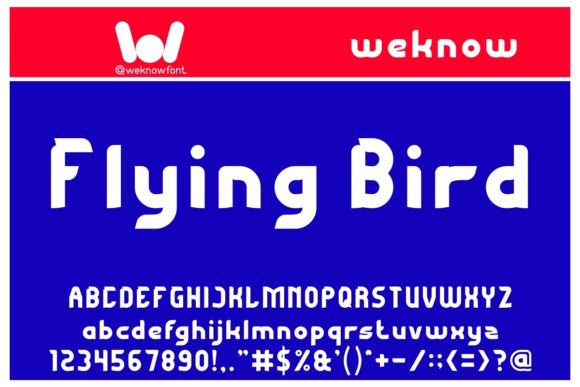
Flying Bird is a display font with a casual, modern look that feels just right for creative projects. It has a softness to it, yet it carries enough strength to stand out. I’ve used it on everything from greeting cards to product packaging, and each time, it adds a unique charm to the design.
Bringing Flying Bird to Life on Labels and Packaging
I recently designed a line of handmade candles, and Flying Bird became the centerpiece of the label design. I paired it with a clean sans serif font for the product details, which kept the overall look balanced and easy to read. The result was a label that felt inviting and professional at the same time.
For the packaging, I used Flying Bird on the outer box, adding a touch of whimsy that matched the brand’s personality. It worked especially well on small tags and stickers, where its delicate curves didn’t get lost. I found that it looked great even when printed on smaller surfaces, making it ideal for boutique tags or seasonal holiday labels.
Creative Uses for Flying Bird in Handmade Projects
The versatility of Flying Bird made it a go-to choice for several other projects. For a recent batch of greeting cards, I used it as the main text for the front cover, and it gave the cards a friendly, approachable feel. I also experimented with using it on planner pages, where it added a decorative touch without overwhelming the content.
When designing wedding invitations, I paired Flying Bird with a simple serif font for the event details. This combination created a nice contrast and helped guide the eye through the information. It worked equally well on digital templates and physical prints, ensuring consistency across all formats.
Another project I worked on was a set of printable wall art. I chose Flying Bird for the main title because of its visual appeal and readability. It looked stunning on large-scale prints and even better when layered with subtle textures or watercolor backgrounds.
Designing with Flying Bird: Tips and Tricks
One thing I learned early on is that Flying Bird works best for short phrases, names, or titles rather than long blocks of text. Its style is more decorative than readable, so it's perfect for display use but not ideal for body copy. When using it on product labels or stickers, I always make sure to test it at different sizes to ensure it remains legible.
For cutting machines like Cricut or Silhouette, I recommend testing the font at the size you plan to use before finalizing your design. Sometimes, the fine details can get lost if the text is too small. I also take advantage of any alternates or ligatures included with the font to add extra flair to my designs.
When pairing Flying Bird with other fonts, I often go for a clean sans serif or a simple serif font to keep the design from feeling cluttered. This balance helps maintain a cohesive look while allowing the font to shine.
Choosing the Right Font for Your Brand
Before using Flying Bird on any commercial project, I always check the file formats, multilingual support, and licensing options. It's important to ensure that the font is suitable for the intended use, whether it's for print, digital downloads, or physical products. For handmade sellers, this step is crucial to avoid any legal issues down the line.
What I love most about Flying Bird is how it adds character to every project I work on. It’s a font that feels personal, like it was created with makers and creators in mind. Whether I'm designing a tote bag, a mug, or a seasonal tag, it brings a sense of warmth and creativity to the finished piece.
If you're looking for a display font that feels modern yet approachable, Flying Bird is definitely worth exploring. It's a versatile tool that can help elevate your handmade creations and make them stand out in a crowd.